



Arms Control TODAY
Volume 56: September 2026
Become a Member Today

ACA is a small organization with a big impact. The financial support of individuals like you is key to sustaining its vital work.
"Today, we both need to work to prevent the breakdown moment when guardrails against nuclear catastrophe evaporate, and be prepared to seize the breakthrough moment, when we can advance again in the direction of the security of a world free of nuclear weapons."
—ACA Board Chair, Tom Countryman, June 2024
The June 2026 Islamabad memorandum of understanding to halt the U.S.-Israeli war against Iran and reopen the Strait of Hormuz is a flawed but welcome development. This interim agreement aims to halt a misbegotten conflict that has killed thousands of people, disrupted the global economy, and failed to address the proliferation risk posed by Iran’s nuclear program, which cannot be bombed away.
June 22, 2026
U.S. President Donald Trump continues to allege, without evidence, that Iran’s nuclear program posed an imminent threat to the United States. The following are answers to frequently asked questions about Iran’s proliferation risk and nuclear security issues.
March 10, 2026
U.S. President Donald Trump and senior administration officials have offered conflicting justifications for the renewed U.S. strikes on Iran, including the claim that Iran’s nuclear and missile programs posed an imminent threat to the United States. There is no evidence, however, to support those claims. Read this issue brief for answers to FAQs on these claims.
March 3, 2026
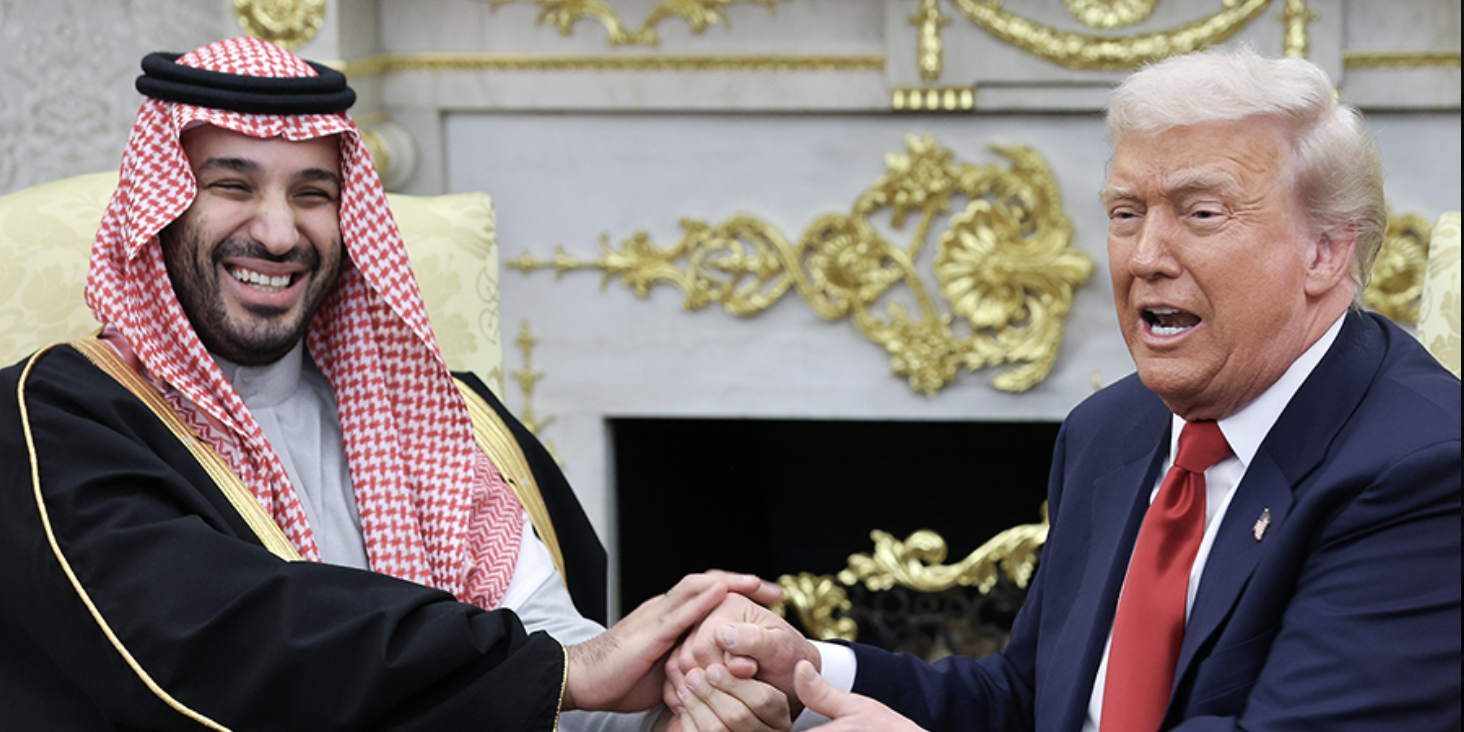
President Donald Trump announced July 22 that the United States and Saudi Arabia finalized a civil nuclear cooperation agreement. In negotiating this deal, the Trump administration has rejected key nonproliferation standards for U.S. nuclear cooperation that have long-standing bipartisan support and are internationally recognized best practices. This piece answers to frequently asked questions about the U.S-Saudi nuclear agreement and its review process.
September 1, 2026
September 11, 2026